Breathing harder than you should be, or having an asthma or COPD flare? Walk in and find out why today. On-site digital chest X-ray, breathing treatments, and lung function testing — no appointment needed, Monday through Saturday, 7 AM to 7 PM.
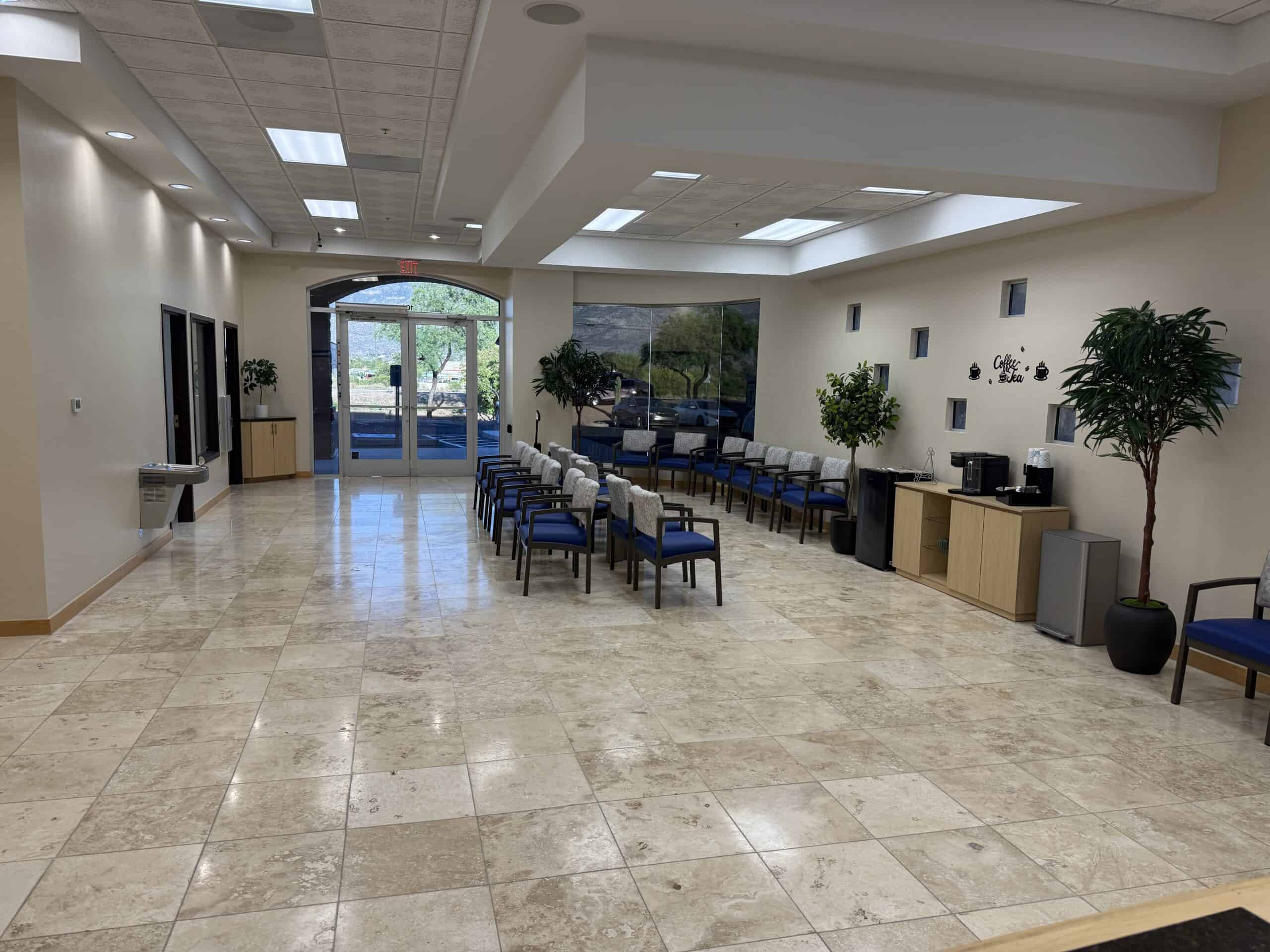
When breathing changes, the question is usually why — and the answer usually needs a hands-on exam and a picture of your lungs. Both are available here, in one visit, without an appointment.
Our clinicians evaluate and treat:
You'll be seen by a clinician, not a queue.
Most breathing problems need an exam, a chest X-ray and a treatment, and we do all three here, the same day you walk in.
All of this we can start and usually finish today. If an exam shows you need hospital care, we'll arrange it directly.

An asthma flare doesn't wait for an appointment. Ours don't either.
What a visit looks like: a clinician listens to your lungs, checks your oxygen level, and asks what set this off. If your airways are tight, a nebulizer treatment and/or steroid treatment is started during the visit — you'll usually feel the difference before you leave. Depending on what the exam shows, treatment may also include an oral steroid course, an adjustment to your controller inhaler, or a new rescue inhaler prescription sent to your pharmacy.
If a chest X-ray is needed to rule out pneumonia behind the flare, it happens on-site the same visit. Nothing gets scheduled for next week.
What triggers flares here: Tucson's calendar is hard on airways. Mesquite, olive, and mulberry pollen in spring; Bermuda grass through the warm months; monsoon dust and haboobs from July into September; wildfire smoke drifting in; and the temperature swings between an air-conditioned house and a 105° afternoon. If you can name your trigger, tell us — it changes what we prescribe you to carry.
With COPD, the window between "a little worse" and "a hospital admission" is often just a few days. Coming in early is what keeps you out of the hospital.
Come in when you notice: more breathlessness than your usual baseline, more mucus than normal, mucus changing color, a new fever, needing your rescue inhaler far more often, or sleeping sitting up because lying flat is uncomfortable.
What we do: oxygen check, a careful lung exam, a nebulizer treatment when airways are tight, an on-site chest X-ray if we need to see whether pneumonia has set in, and a treatment plan — which may include steroids, antibiotics if there's a bacterial infection, or changes to your inhalers. You leave with written instructions and a clear sense of what "getting worse" would look like.
New to the area or here for the season? Many of our SaddleBrooke, Oro Valley, and Sun City patients manage COPD with a specialist back home in another state. You do not need an established local doctor to be treated here. Bring your medication list — or a photo of your inhalers — and we'll work from that.
Pneumonia is the reason an on-site X-ray matters. A cough with fever and fatigue can be a virus, bronchitis, pneumonia, or valley fever — and they look nearly identical from the outside while needing completely different treatment.
How we sort it out: a clinician examines you and listens for the sounds pneumonia makes, then takes a digital chest X-ray here in the clinic when the exam warrants it. Images are reviewed during your visit, and you leave knowing what you have.
Treatment typically includes the right antibiotic when the picture is bacterial, plus specific guidance on fever control, fluids, when to expect improvement, and exactly what should bring you back. Most pneumonia in otherwise healthy adults is treated at home with oral antibiotics — no hospital stay, no overnight.
Symptoms worth an X-ray:
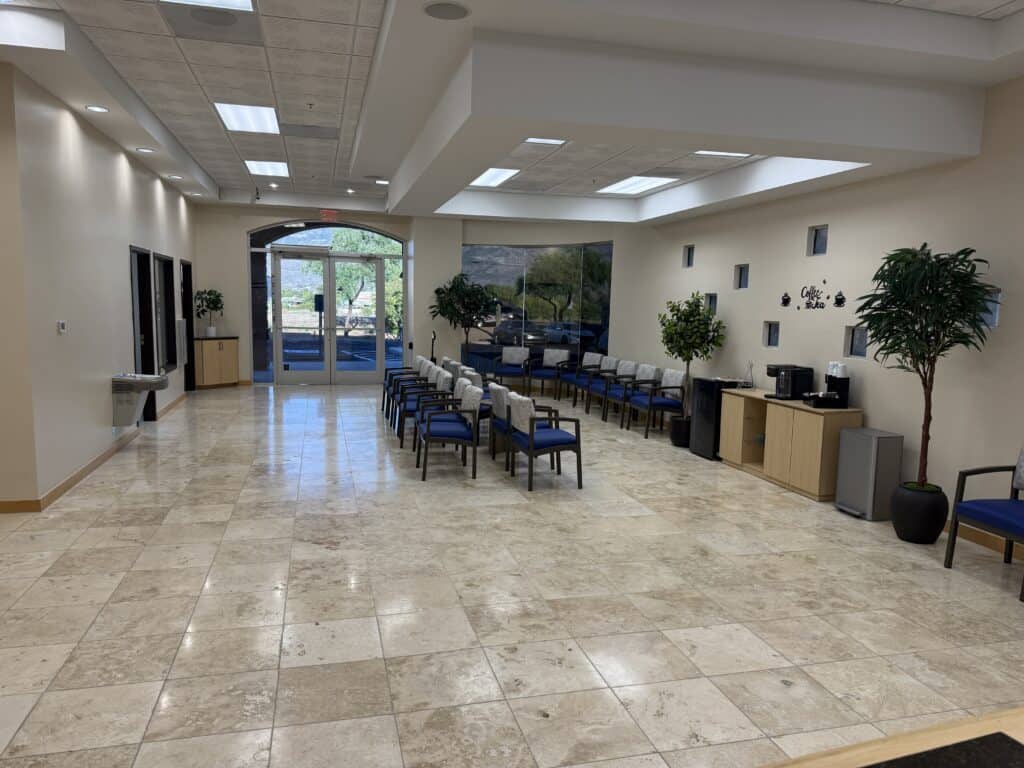

If you live in or visit Southern Arizona and a cough has hung on for weeks, valley fever belongs on the list. Valley fever (coccidioidomycosis) comes from breathing in spores of a fungus that lives in desert soil — kicked up by wind, construction, yard work, and monsoon dust.
This matters locally more than almost anywhere else. The Sonoran Desert region of Arizona — which includes Pima and Pinal counties — accounts for more than 95% of the state’s reported valley fever cases, and Arizona’s rate rose roughly 2.3-fold between 2005–2007 and 2020–2022, according to the CDC.
What it feels like: symptoms usually begin 1–3 weeks after exposure and often include fatigue, cough, shortness of breath, fever, night sweats, muscle aches, headache, and sometimes a rash. Most cases resolve on their own — but many people spend weeks feeling exhausted, and some need antifungal treatment. (CDC clinical overview)
The detail people miss: antibiotics don’t touch it. Valley fever is a fungal infection. If you’ve finished a course of antibiotics for a “chest infection” and you’re no better, that’s a reason to be re-evaluated, not a reason to wait it out.
How we evaluate it: an exam, a chest X-ray on-site, and blood testing for valley fever antibodies when the history fits. Blood is drawn here and results typically return in 3–5 days.
Come in if:
Sometimes the question isn’t “is something wrong” but “how much.” Lung function testing measures how much air you can move and how fast, which turns a vague symptom into a number your clinicians can act on and track.
you’ve been told you “might have asthma” but never had it measured · your inhaler doesn’t seem to be doing much · you’re a long-time smoker with a morning cough · your breathlessness is slowly worsening and nobody has quantified it · you need documentation for a physical or a job requirement.
The test takes only a few minutes and requires nothing more than following coaching on how to breathe into a tube. Walk-ins welcome, same as everything else here. Questions about whether it’s the right test for you: (520) 232-2525.
Everything you need to know before your visit. Can’t find your answer? Call us at (520) 232-2525.
Further reading: What Is Asthma? (NHLBI).
We use cookies to improve your experience on our site. By using our site, you consent to cookies.
Manage your cookie preferences below:
Essential cookies enable basic functions and are necessary for the proper function of the website.
These cookies are needed for adding comments on this website.
Statistics cookies collect information anonymously. This information helps us understand how visitors use our website.
Google Analytics is a powerful tool that tracks and analyzes website traffic for informed marketing decisions.
Service URL: policies.google.com (opens in a new window)